
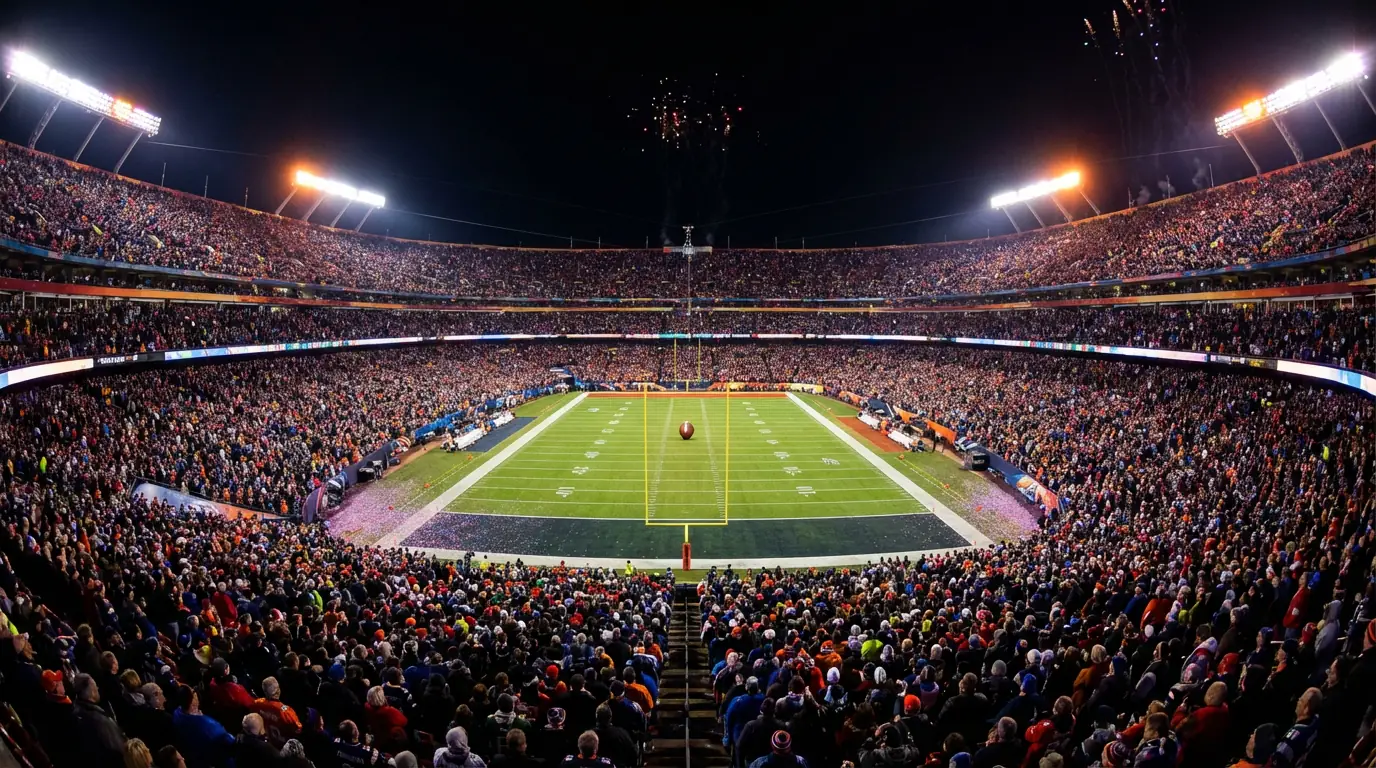
The Super Bowl is not just a football game. It is the single largest betting event on the American sports calendar, generating more handle in a single day than most sports produce in a month. In 2024, Americans wagered an estimated $23.1 billion on the Super Bowl through both legal and informal channels. The game attracts millions of bettors who do not wager on any other sporting event all year — and the sportsbooks design their prop menus and promotions specifically to capture that once-a-year crowd.
For experienced bettors, the Super Bowl is both an opportunity and a trap. The sheer volume of available markets — hundreds of props, multiple game lines, and exotic wagers you will not find anywhere else — creates more chances to find value. But it also creates more chances to over-bet, chase novelty, and scatter money across low-probability propositions that are priced to generate sportsbook profit. A strategic approach to Super Bowl betting means knowing which markets deserve serious analytical attention and which ones are entertainment taxes dressed up as bets.
Super Bowl Prop Bets & Moneyline Action
The point spread, moneyline, and total on the Super Bowl function identically to any regular-season game, but with one critical difference: the lines have been analyzed by every sharp bettor in the world for two weeks before kickoff. The Super Bowl spread is arguably the most efficient line the sportsbook will ever post. It opens the night of the conference championships and immediately absorbs massive action from professional bettors and syndicates. By the time kickoff arrives, the closing line has been pressure-tested by more money and more analysis than any other game on the calendar.
That efficiency makes it harder to find spread value on the Super Bowl than on a random Week 7 matchup. The line has already been hammered by sharps, and the price you see on Sunday morning is the consensus of the smartest money in the market. If you have a strong analytical opinion that differs from the closing line by a point or more, it might represent genuine value — but you should ask yourself why the sharpest bettors in the world see it differently.
The total follows the same pattern. Super Bowl totals attract enormous action, and the closing number is highly efficient. However, one structural factor occasionally creates value: the Super Bowl tends to be a relatively low-scoring game compared to regular-season averages. Nerves, defensive intensity, conservative early play-calling, and the pressure of the moment all contribute to first halves that play under the expected pace. The under on the first-half total has been a historically profitable bet in the Super Bowl, though sportsbooks have tightened that number in recent years as the pattern became more widely known.
Super Bowl Prop Bets: Where the Action Lives
Prop bets are the heart of Super Bowl betting. The number of available props dwarfs what is offered for a regular-season game — a typical sportsbook might list 200-400 individual props for the Super Bowl compared to 50-80 for a regular-season NFL game. These range from standard player performance markets to exotic propositions that border on novelty.
Player performance props — passing yards, rushing yards, receiving yards, touchdowns, receptions — are the most analytically tractable. They function the same way as regular-season player props but with a two-week window for analysis. The extra preparation time is a double-edged sword: you have more time to study, but so does the sportsbook. Lines on Super Bowl player props are tighter than regular-season props because the market has had two weeks to absorb information.
Scoring props cover questions like first touchdown scorer, last touchdown scorer, will there be a safety, and will there be a score in the final two minutes of the first half. First touchdown scorer is one of the most popular Super Bowl bets in existence, partly because it resolves early and partly because the payouts are high — typically +500 to +2000 depending on the player. The analytical approach focuses on which players receive red zone targets or carries, particularly inside the 5-yard line, and which team is likely to possess the ball first.
Exotic props — the length of the national anthem, the color of the Gatorade shower, the outcome of the coin toss — are pure entertainment bets with no analytical basis. The coin toss is a literal 50/50 proposition, but sportsbooks typically offer it at -110 on both sides, collecting vig on what is mathematically a random event. The national anthem over/under attracts millions of dollars in handle despite being completely disconnected from football analysis. These bets are fun, but they are not investments. Every dollar placed on an exotic prop is a dollar that could have been placed on a market where your analysis actually provides an edge.
Super Bowl MVP Betting
The Super Bowl MVP award is a futures-style market that resolves at the end of the game. The winner is typically the best-performing player on the winning team, which means the market is heavily correlated with the game’s moneyline. If you believe the favorite will win, the MVP candidates from that team carry higher implied probabilities than candidates from the underdog.
Quarterbacks have won the Super Bowl MVP award more than any other position by a wide margin. Over the past 20 Super Bowls, the quarterback has won MVP roughly 60-65% of the time. This is not surprising — the quarterback touches the ball on every offensive play and is the most visible contributor to offensive success. When betting on Super Bowl MVP, starting with the winning team’s quarterback is almost always the highest-probability selection. The odds reflect this, so the quarterback of the favored team is typically priced as the shortest odds in the MVP market.
The value in the MVP market comes from non-quarterback candidates on the winning team and from identifying scenarios where a defensive or special teams player might win. A dominant defensive performance — multiple sacks, a pick-six, or a fumble recovery for a touchdown — can swing the MVP vote toward a defender, especially if the winning team’s quarterback has a mediocre statistical game. Edge rushers and cornerbacks who are expected to face favorable matchups and have a history of game-changing plays are the most common non-quarterback MVP winners.
Wide receivers and running backs occasionally win when they produce an outsized statistical game — multiple touchdowns or 150-plus receiving yards. If a wide receiver is expected to be the primary target in the red zone and the game flow projects toward heavy passing, that receiver’s MVP odds might offer value relative to the probability of a high-touchdown game. The key is connecting your game-flow projection to the MVP probabilities: if you think the game will be a shootout, quarterback and receiving MVPs become more likely. If you expect a defensive grind, defensive players gain probability.
Super Bowl Betting Strategies
The two-week gap between the conference championships and the Super Bowl creates a unique strategic window. Lines are available for two full weeks, and information flows in waves — initial line release, early sharp action, injury updates, media narratives, and late public money. Timing your bets to capture the best price requires reading these waves.
Sharp money typically hits the market within the first 48 hours of the line opening. The spread might move a full point in the first two days as professional bettors take their positions. If you agree with the direction of the sharp movement, getting in early captures a better price. If you disagree, waiting until the line has moved past the sharps’ preferred number might give you value on the other side.
Public money comes in later — the final few days before the game — and it reliably favors the popular team, the team with the better record, or the team with the more marketable quarterback. This public wave often moves the line back toward the favorite, creating a late-week opportunity for bettors who want to take the underdog at an inflated number. The pattern is consistent enough that some bettors wait specifically for the Friday-Saturday window before the Super Bowl to place their spread bets.
Prop betting strategy for the Super Bowl should focus on player performance markets where your analysis carries the most weight. Target props where the two-week preparation period has revealed specific game-plan information — for example, if the coach’s press conferences or leaked reports suggest a heavy reliance on the running game. Rushing attempt props for the featured back become interesting if the game plan tilts run-heavy and the market has not fully adjusted.
Avoid spreading your bankroll across 15 or 20 props. Each prop carries its own vig, and the cumulative juice across a large number of small bets guarantees a substantial effective tax. A focused approach — three to five high-conviction props alongside a position on the spread and total — keeps your exposure concentrated on your strongest analytical opinions rather than diluted across markets where you have no real edge.
The One Game Everyone Watches
The Super Bowl’s unique position in American culture creates a betting environment unlike any other. Half the people placing bets have not watched a football game since last year’s Super Bowl. They are betting based on team names, quarterback fame, and the narrative arc of a two-week media cycle. That casual money — billions of dollars of it — distorts certain markets in predictable ways.
The distortion is the opportunity. When casual money floods the popular side, the line moves beyond what the matchup justifies. When millions of dollars flow into first-touchdown-scorer bets on the most famous player rather than the player with the highest red zone usage, the lesser-known player’s odds stay generous. When the total reflects the public’s expectation of a high-scoring spectacle rather than the historical reality that Super Bowls tend to start slow, the first-half under carries value.
None of this means the Super Bowl is easy to beat. It means that the one game per year where the least informed bettors show up in the largest numbers is also the one game where the most informed bettors have the clearest view of where the money is coming from — and where it is going wrong.
