
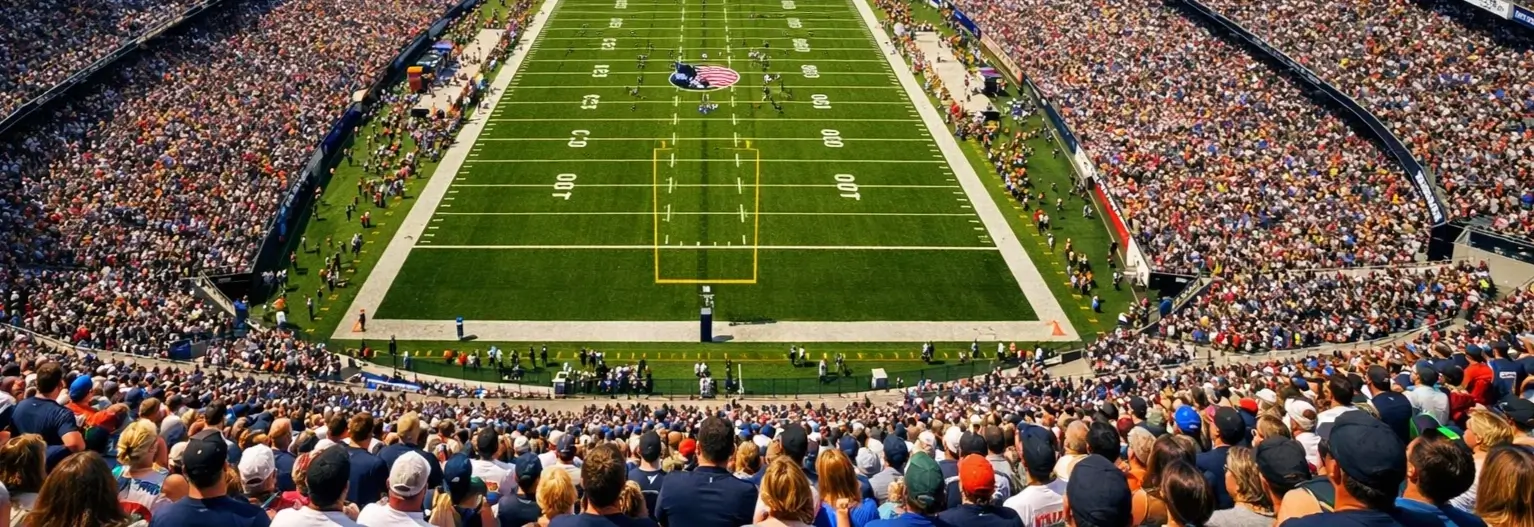
The National Football League dominates American sports betting in a way no other league approaches. More money is wagered on NFL games than on any other sport in the United States, and it is not particularly close. The combination of weekly scheduling, massive fan engagement, and widespread statistical analysis creates a betting ecosystem unlike anything else in sports.
Understanding NFL betting requires more than generic football knowledge. The league has specific characteristics that shape how lines are set, how value is found, and how successful bettors approach each week. Key numbers matter differently in the NFL than in college football. Primetime games carry distinct betting patterns. The playoff structure creates unique opportunities that do not exist during the regular season.
This guide covers everything you need to know about betting on the NFL in 2026. We will examine how the various markets work within the NFL context, explore league-specific strategies that sharp bettors employ, and break down the progression from regular season through the Super Bowl. Whether you are new to NFL betting or looking to sharpen your approach, this comprehensive resource has you covered.
NFL Spreads & Point Formats
The NFL’s position atop the sports betting hierarchy stems from structural factors that make it uniquely suited for wagering. The weekly schedule creates natural betting windows that build anticipation and allow thorough analysis. Limited games mean every contest receives extensive media coverage and public attention. The relative parity of the league ensures competitive games and uncertain outcomes.
Why NFL Dominates Sports Betting
The seventeen-game regular season forces teams to treat every game as significant, unlike baseball or basketball where individual contests carry less weight. A single NFL Sunday generates more betting handle than entire weeks of other sports combined.
Television partnerships ensure maximum exposure for NFL games. Sunday afternoon windows, Sunday Night Football, Monday Night Football, and Thursday Night Football create multiple premium viewing opportunities each week. The statistical depth available for NFL analysis satisfies both casual fans and professional bettors, with advanced metrics providing sophisticated tools for those willing to dig deep.
Season Structure for Bettors
The NFL calendar creates distinct betting phases. Preseason games in August offer limited predictive value since starters play sparingly. The eighteen-week regular season from September through early January is the primary betting window, with Week 1 presenting unique challenges as markets adjust to offseason changes.
Playoffs represent the betting climax. Single-elimination stakes intensify every game, and the Super Bowl alone generates more wagering than most sporting events worldwide. Understanding how to adjust strategies for postseason football is essential for complete NFL betting competence.
NFL Betting Markets Overview

The major betting markets work similarly in the NFL as in other football betting, but the league context shapes how each market behaves. NFL spreads cluster around certain numbers due to the sport’s scoring nature. NFL totals have trended higher over recent years as offensive innovation accelerates. Props have proliferated as books compete for bettor engagement.
Core Markets: Spread, Moneyline, Totals
NFL point spreads typically range from pick-em games to double-digit favorites, with most matchups falling between one and seven points. Unlike college football, where spreads of twenty or thirty points are common, NFL parity keeps most games relatively competitive. This clustering means small line differences carry significant weight.
Moneyline betting in the NFL provides alternatives to spread betting, particularly valuable for games with small spreads. When two teams are separated by only a point or two, the moneyline offers cleaner exposure to your winning team conviction without worrying about push scenarios or narrow margins.
Totals in the modern NFL have risen substantially compared to previous decades. Games that once routinely featured totals in the low forties now regularly see numbers approaching fifty or beyond. Rule changes protecting quarterbacks and receivers have accelerated scoring, a trend bettors must incorporate into their totals analysis.
NFL-Specific Props
Player prop markets in the NFL have exploded in variety and popularity. Quarterback props cover passing yards, touchdowns, interceptions, and rushing yards. Skill position props track receiving yards, rushing yards, receptions, and touchdown scoring.
NFL game props range from first team to score through margin of victory markets. Same-game parlays combining correlated outcomes have become major revenue drivers for sportsbooks. The abundance of props creates both opportunity through less efficient pricing and danger through poorly researched action spreading.
Team and Player Futures
NFL futures markets open immediately after the Super Bowl and remain active year-round. Super Bowl winner, conference champions, and division winners all attract substantial preseason action. The long runway between futures opening and season completion means significant odds movement as rosters evolve through free agency and the draft.
Player futures focus primarily on awards. MVP betting is the highest-profile market, with quarterback dominance in recent years making the field relatively predictable. Offensive and Defensive Rookie of the Year markets offer opportunities to capitalize on draft evaluation edges.
Season win totals combine elements of futures betting with over/under mechanics. Each team receives a projected win total, and bettors decide whether they will exceed or fall short. These markets reward comprehensive offseason analysis of roster changes, schedule difficulty, and regression indicators.
Understanding NFL Point Spreads
Point spread betting requires understanding how NFL scoring patterns create predictable margin distributions. The league’s scoring increments mean certain margins occur far more frequently than others, and this mathematical reality shapes optimal betting strategy.
How NFL Spreads Differ
NFL spreads concentrate more heavily around key numbers than any other sport. Three-point margins, reflecting a single field goal difference, occur in roughly fifteen percent of all games. Seven-point margins, representing a touchdown with extra point, appear in about nine percent. These two numbers alone account for nearly a quarter of all final margins.
This concentration has direct betting implications. The difference between a spread of +2.5 and +3 is far more significant than the same half-point difference between +4.5 and +5. Books know this and often shade lines to the unfavorable side of key numbers when public money is heavy.
College football spreads can reach extreme levels when elite programs face lesser opponents. NFL parity prevents such mismatches. The largest NFL spreads rarely exceed seventeen points even when championship contenders face rebuilding teams. This compressed range means every point of spread matters more than in college.
Key Numbers: 3, 7, and Beyond
Beyond the primary key numbers of three and seven, secondary key numbers include six, ten, and fourteen. Six-point margins happen when teams score a touchdown without the extra point or two field goals. Ten and fourteen represent combinations of touchdown scoring that appear with measurable frequency.
Hook awareness, meaning attention to whether a spread includes a half-point, is essential for NFL betting. Getting Chiefs -3 instead of -3.5 protects against losing on exactly the most common margin. Getting Raiders +7.5 instead of +7 adds protection on the second most common margin.
Shopping for the best number across multiple sportsbooks pays dividends precisely because of key number importance. The bettor who consistently gets +3 while others take +2.5 will bank extra wins over a season of betting simply from landing on the right side of push-versus-loss scenarios.
Home Field Advantage Value
Home field advantage in the NFL has diminished over recent decades but remains a factor worth approximately 1.5 to 2.5 points depending on specific circumstances. The precise value varies by team, with some venues providing larger edges due to crowd noise, weather, or travel distance for opponents.
West coast teams traveling east for early kickoffs face particular disadvantages. Divisional familiarity reduces home edge when teams play twice annually. Identifying where the market over or undervalues home field creates betting opportunities.
NFL Moneyline Strategy
Moneyline betting in the NFL requires different analysis than spread betting because you are simply picking winners without margin cushions. The pricing reflects this directness, with favorites sometimes requiring substantial risk for modest potential return.
Beyond picking the outright winner, exploring different types of football bets like props and totals can significantly increase your edge.
When to Take Moneyline Over Spread
Small spreads often make moneyline bets more attractive than taking points. If a team is favored by only 1.5 points with a moneyline around -125, the moneyline might offer better value than -110 on the spread if you believe they win most games by more than a field goal.
The calculation involves comparing the probability of winning outright versus winning by the spread margin. When these probabilities are similar, the moneyline avoids the variance of close game scenarios. When they diverge significantly, the spread protects against narrow losses that would still cover.
Moneyline parlays combining multiple small favorites can offer attractive returns while maintaining relatively high win probability. Two teams at -130 combined pay roughly +280, and if both are genuine sixty percent win probability, the expected value may be favorable despite parlay vig.
Underdogs on Moneyline
Underdog moneyline bets require careful analysis of upset probability versus odds offered. A team at +200 needs to win 33 percent of games to break even. If your analysis suggests they win 40 percent against a particular opponent, significant value exists.
Certain game situations correlate with increased upset frequency. Divisional games tend toward competitive outcomes regardless of record disparity. Short-week road games for favorites create vulnerability. Recognizing when the market correctly prices an upset as unlikely is equally important.
Playoff Moneyline Approaches
Playoff football intensifies every betting decision because single-elimination stakes mean no margin for error. Moneyline betting becomes more attractive in playoffs because teams play to win rather than managing clock conservatively.
Playoff underdogs have historically performed well against the spread, and some success extends to moneyline results. Conference championship games and the Super Bowl see enormous recreational moneyline handle, which can sometimes shade odds and create value on less popular sides.
NFL Totals Betting
Totals betting in the NFL has evolved alongside the league’s offensive explosion. Understanding what drives scoring in the modern game, from rule changes to schematic innovation, is essential for finding value in over/under markets.
Factors Affecting NFL Totals
Offensive philosophy varies significantly across NFL teams, creating wide scoring potential ranges. Teams built around elite quarterbacks in pass-heavy systems can score forty points against weak secondaries. Run-first teams with strong defenses might win 20-13 slugfests. Matching team styles against opponent weaknesses drives totals analysis.
Pace of play directly impacts total scoring opportunities. Teams that run plays quickly generate more possessions, creating more chances to score. Tempo mismatches where a fast team faces a slow opponent typically see totals fall between the two extremes rather than matching either pace.
Rest and preparation time affects execution quality, which impacts scoring. Teams coming off bye weeks typically perform above expectation on both sides of the ball. Short-week games, particularly Thursday Night Football, historically trend toward lower scoring as exhausted teams make more mistakes.
Weather Impact on Scoring
Outdoor games face weather variables that dome games avoid entirely. Wind is the most impactful weather factor for totals betting, disrupting passing games and making field goals unreliable. Sustained winds above fifteen miles per hour should trigger serious over/under analysis.
Late-season games in northern outdoor venues present the highest weather risk. Green Bay, Chicago, Buffalo, and similar locations regularly host December and January games in challenging conditions. Monitoring forecasts becomes essential for totals betting as the season progresses.
Pace and Offensive Trends
League-wide scoring has increased substantially over the past decade as rule changes have tilted competition toward offenses. Individual team pace metrics like plays per game and time of possession provide insight into how quickly each offense operates.
Red zone efficiency determines how often drives produce touchdowns versus field goals. Teams that score efficiently in the red zone contribute more to totals than teams that stall and settle for kicks. Analyzing this efficiency against specific defensive weaknesses sharpens totals predictions.
NFL Prop Betting
Proposition betting in the NFL offers markets on virtually every quantifiable aspect of games. The depth of options allows specialized bettors to find edges while creating pitfalls for those who spray action without adequate research.
Quarterback Props
Passing yards, touchdowns, interceptions, and attempts all carry prop lines for starting quarterbacks. These markets require projecting game script since trailing teams pass more while leading teams run. A quarterback on a heavy favorite might have lower volume despite individual talent.
Rushing yards for mobile quarterbacks have become increasingly significant props. Defensive schemes that struggle containing quarterback runs create exploitable situations. Interception props present interesting opportunities because turnovers are partially random and pricing often overreacts to recent performance.
Running Back and Receiver Props
Rushing yard props for featured backs depend heavily on projected game flow. If a team is expected to build a lead, the running back should see heavy volume in clock-killing situations. If trailing, passing volume increases at the expense of rushing attempts.
Receiving yard props vary based on target share and defensive matchups. Analyzing who covers whom is essential for accurate projection. Touchdown scorer props carry substantial randomness since goal-line opportunities are not evenly distributed, working better as entertainment than serious value targets.
Defensive and Kicker Props
Sack totals depend on both pass rush quality and opponent willingness to pass. Teams facing weak offensive lines that also throw frequently create ideal sack environments. Conversely, run-heavy teams facing average pass rushes might allow zero sacks despite having vulnerable protection.
Kicker props on field goals made require projecting red zone efficiency. Teams that frequently stall inside the twenty but outside the end zone generate more field goal attempts. Weather conditions obviously impact both attempt volume and success rate.
These lower-volume prop markets receive less attention from oddsmakers, potentially creating more inefficient pricing than mainstream markets. Bettors willing to research extensively can find specialized edges, though the betting limits on these props are typically lower than major markets.
NFL Futures Markets
Futures betting allows positioning on season-long outcomes months before resolution. The extended timeline creates both opportunity through early value capture and risk through capital lock-up and roster uncertainty.
Super Bowl Futures
Super Bowl futures are available year-round, with the most significant betting windows occurring immediately after the previous Super Bowl, following the NFL Draft, and during the early regular season. Odds move substantially as the market incorporates new information about team quality.
Early positioning on potential champions can capture value before public perception catches up to roster reality. A team that makes smart free agent signings might see their odds shorten dramatically before the season begins. Conversely, waiting allows incorporating actual game results but typically at less favorable prices.
Hedging Super Bowl futures as the postseason approaches is common practice. A ticket purchased at +2500 that reaches the conference championship game might be worth hedging to guarantee substantial profit regardless of remaining outcomes. The optimal hedge calculation balances locked-in return against remaining upside.
Conference and Division Futures
Conference champion futures offer shorter paths to victory than Super Bowl tickets. Winning the NFC or AFC requires only three playoff wins rather than four. The reduced requirement sometimes creates value when a team’s divisional odds and conference odds do not align properly.
Division futures require outpacing only three opponents rather than the entire conference. Strong teams in weak divisions can offer value even at relatively short odds. Analyzing divisional competition, head-to-head matchups, and schedule difficulty helps identify mispriced division markets.
MVP and Award Betting
MVP betting in the NFL has become increasingly quarterback-dominated. The last non-quarterback to win MVP was a running back in 2012, and the award has gone to quarterbacks in all but a handful of seasons over the past two decades. This narrows the realistic candidate pool significantly.
Identifying MVP candidates requires projecting both statistical production and team success. A quarterback with massive numbers on a losing team rarely wins. The combination of elite performance and winning record typically defines the eventual winner. Preseason favorites often deliver since obvious candidates are obvious for good reasons.
Rookie of the Year markets offer more uncertainty since projecting first-year player performance is inherently difficult. Quarterbacks who start immediately have the highest profile but also the highest bust risk. Skill position players in favorable situations sometimes offer value at longer odds.
Season Win Totals
Win totals combine elements of futures betting with over/under mechanics familiar from game totals. Each team receives a projected win total based on roster quality, schedule difficulty, and various other factors. Bettors decide whether the team exceeds or falls short.
Comprehensive offseason analysis is essential for win total betting. Roster changes through free agency and the draft alter team quality. Coaching changes affect schematic fit and player development. Schedule release reveals which teams face easier or harder paths.
Win totals lock in throughout the preseason, meaning early analysis provides opportunity to capture value before the market fully adjusts. Teams whose improvements are not yet reflected in public perception often offer the best over opportunities. Regression candidates who benefited from unsustainable luck the previous year frequently present under value.
NFL Playoff Betting
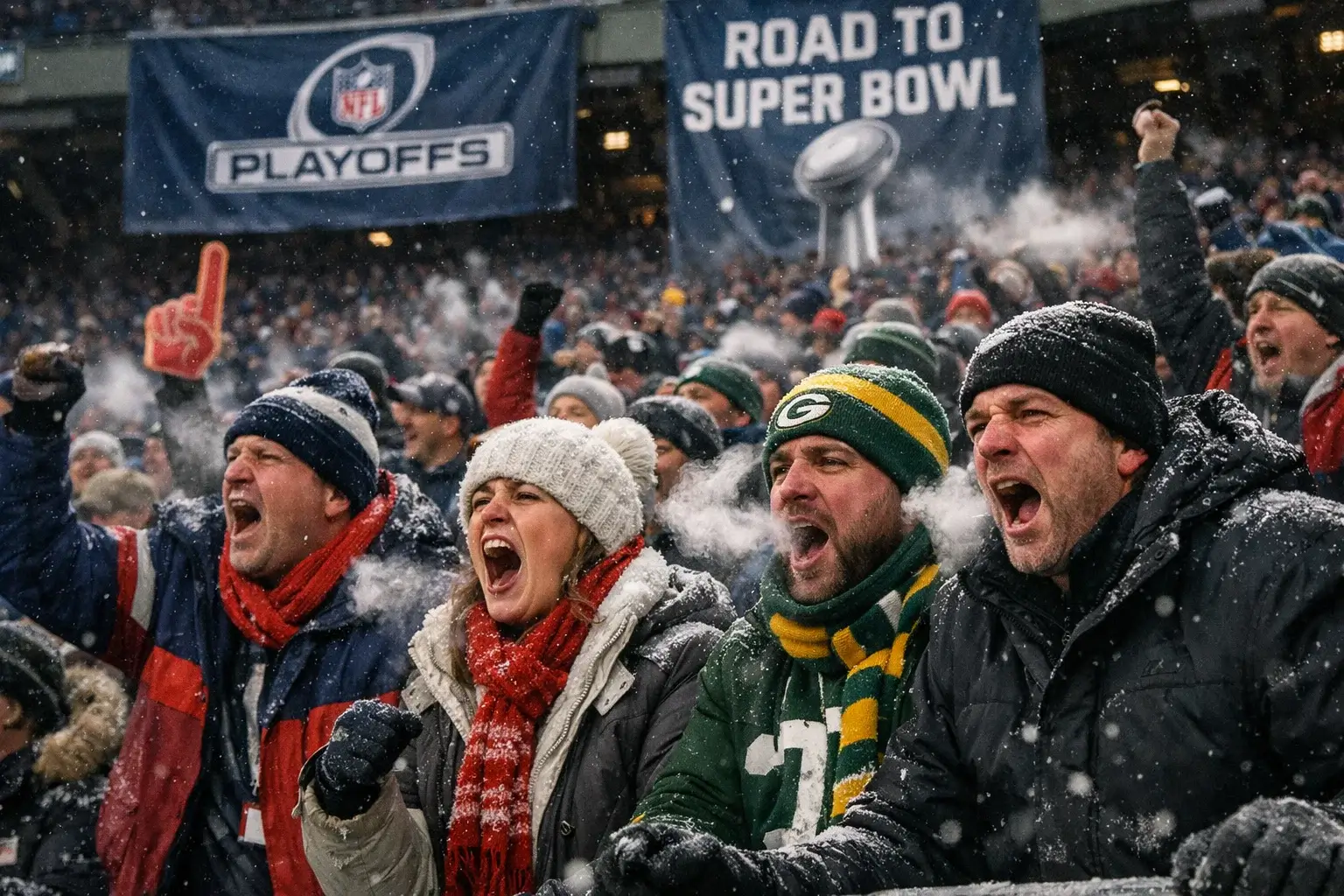
Playoff football differs fundamentally from regular season games, and betting approaches must adjust accordingly. Higher stakes, better opponents, and increased variance all shape how markets behave in January.
Wild Card Through Super Bowl
Wild card weekend features six games with a mix of competitive matchups and potential blowouts. The top seeds often face significantly weaker opponents, creating large spreads uncommon in later playoff rounds. These games sometimes offer value on big underdogs who simply need to keep games competitive.
Divisional round games typically feature tighter matchups since surviving wild card teams have proven playoff capability. Home field advantage increases in importance as remaining teams are genuinely elite. The market tends toward efficiency in these high-profile matchups.
Conference championships represent the playoff peak before the Super Bowl. Two-week preparation for the Super Bowl creates a different analytical environment than the continuous weekly grind. Championship weekend delivers the most competitive playoff betting environment.
Playoff-Specific Strategies
Playoff underdogs have historically performed well against the spread compared to regular season equivalents. Several theories explain this phenomenon: increased variance in single-elimination games, motivational edges for teams not expected to win, and public overreaction to seeding and regular season records.
Analyzing playoff experience matters more in January than September. Quarterbacks who have navigated playoff pressure before perform more predictably than first-time participants. Coaches with championship game experience handle the strategic and emotional challenges better.
The increased stakes make teams more conservative in some situations. Protecting leads becomes paramount when there is no next week. This tendency can affect totals betting and second-half scoring patterns.
Super Bowl Betting Special
The Super Bowl is the largest single-game betting event in the world. The two-week gap between conference championships and the championship game creates unique market dynamics.
Betting Timeline
Lines open immediately after conference championship games and remain active for two weeks. This extended window sees more line movement than any other NFL game as massive betting volume pours in from all directions.
Sharp money typically appears early in the window as professional bettors stake positions. Public money accelerates as the game approaches, often moving lines back toward opening numbers if sharps took the unpopular side. Monitoring line movement helps identify where different betting segments are positioned.
Same-game parlays and props see enormous Super Bowl handle from recreational bettors. The entertainment value of betting on specific outcomes during a heavily watched event drives engagement beyond normal betting patterns.
Most Popular Super Bowl Bets
Spread and total betting remain the most common Super Bowl wagers despite the proliferation of alternatives. The basics attract casual bettors making their one or two annual sports bets.
Prop betting explodes for the Super Bowl, with hundreds of markets covering everything from player statistics to coin toss results. Many props offer poor value due to high vig, but the entertainment factor justifies small stakes for many bettors.
MVP betting allows selecting the player most likely to be named Super Bowl MVP. Quarterbacks on winning teams claim this award most frequently, making it largely redundant with game outcome betting.
NFL Betting Tips and Strategies
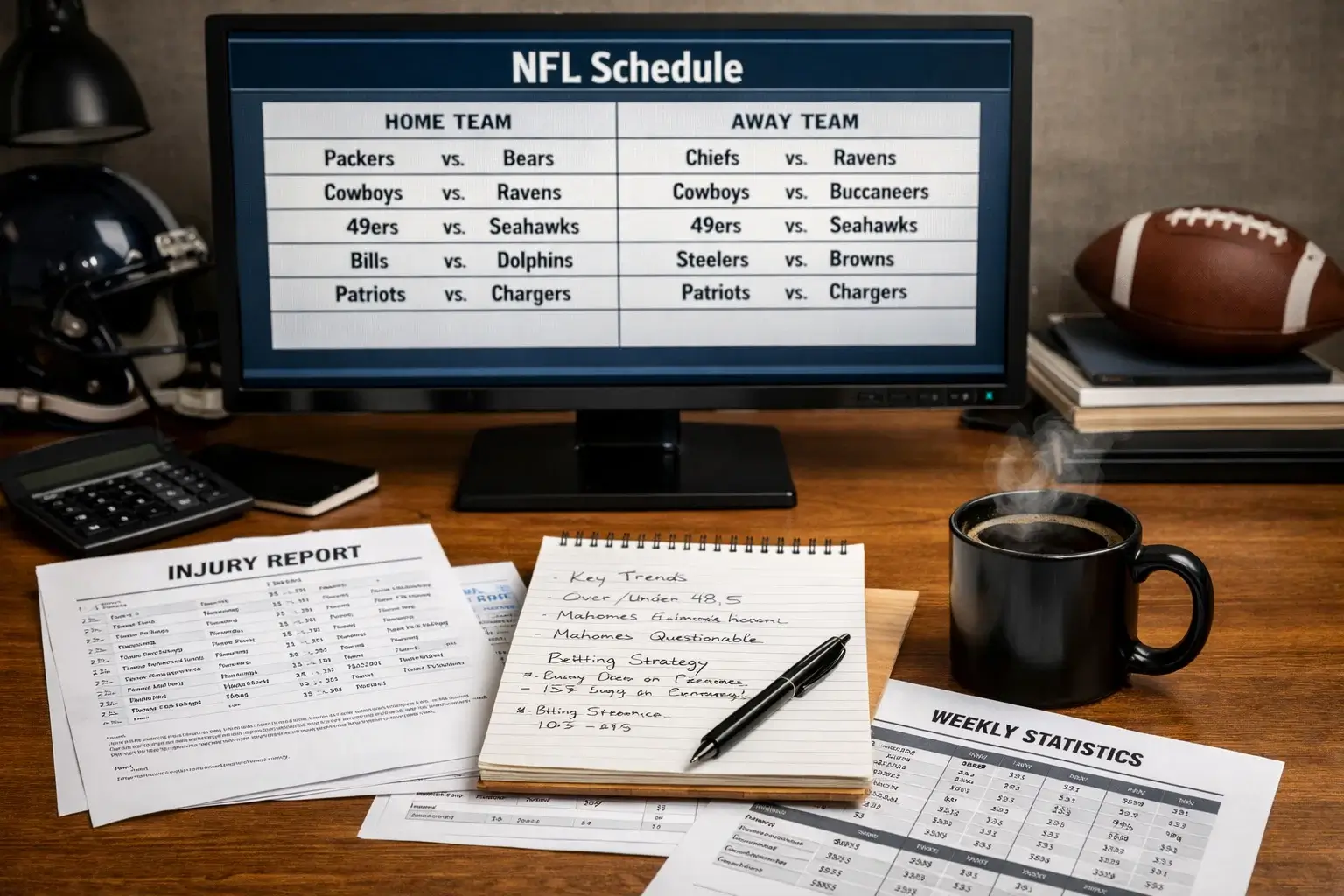
Successful NFL betting requires disciplined weekly routines and pattern recognition that distinguishes sharp bettors from recreational players.
Weekly Research Routine
Establishing consistent research habits improves betting decisions. Reviewing injury reports, analyzing matchup advantages, and monitoring line movement should happen on a regular schedule. Tuesday through Thursday typically provides the most actionable information.
Injury impact analysis requires understanding not just who is injured but how their absence affects team performance. A star player being out matters differently depending on backup quality and schematic dependence. Overreacting to injury news is as costly as ignoring it.
Divisional Game Patterns
Divisional games occur twice annually between familiar opponents, creating different dynamics than non-divisional matchups. Teams know each other intimately, reducing schematic surprise. Motivational factors like revenge and rivalry come into play.
The second meeting between divisional opponents in a season often differs from the first. Teams adjust based on the previous matchup, and situational factors like playoff positioning affect intensity. Analyzing these patterns reveals betting angles.
Prime Time Game Trends
Nationally televised games draw disproportionate public betting attention, often creating line value on less popular sides. The casual bettor who watches Sunday Night Football every week provides liquidity that professional bettors can exploit.
Monday Night Football and Thursday Night Football each carry distinct characteristics. Thursday games on short rest typically see lower scoring and more unpredictable outcomes. Monday games allow additional preparation time and typically see better execution.
Frequently Asked Questions
When is the best time to bet on NFL games?
Optimal timing depends on your analysis and the specific game. Sharp bettors often find value in early-week lines before public money moves numbers. Others prefer waiting until closer to kickoff when injury information is finalized. There is no universally correct answer.
How important are injuries for NFL betting?
Injuries significantly impact NFL betting lines and outcomes. However, the market often overreacts to injury news, creating value opportunities. Understanding the actual impact of specific injuries rather than assuming all absences are equally significant is essential.
Should I bet NFL futures or weekly games?
Both approaches can be profitable depending on your analytical strengths and capital allocation preferences. Futures lock up money for extended periods but can capture value before the market adjusts. Weekly games provide continuous opportunities but require consistent research effort.
What makes Super Bowl betting different?
The two-week preparation window, enormous public interest, and extensive prop menu distinguish Super Bowl betting from regular games. Market efficiency increases due to massive analytical attention, but recreational money flow can still create opportunities on unpopular positions.
How do NFL playoffs change betting strategy?
Playoff betting involves higher-stakes single-elimination games where variance increases and team motivation intensifies. Historical underdog performance trends, increased importance of experience, and conservative late-game strategies all factor into adjusted playoff approaches.
Stay updated with the latest lines and expert analysis at the premier football betting site.
