The difference between a profitable bettor and someone who consistently loses money often comes down to one fundamental skill: understanding odds. You might have a perfect read on which team will win, but if you do not know what -110 means or how to calculate implied probability, you are essentially flying blind. Odds are the language of sports betting, and fluency in this language is non-negotiable.
Football betting has exploded in popularity since the expansion of legal sports wagering across the United States and continued growth in markets worldwide. In 2026, bettors have more options than ever before, with dozens of licensed sportsbooks competing for their action. But whether you are placing a wager on the NFL, college football, or soccer leagues around the globe, the fundamental principles of reading and interpreting odds remain consistent.
This guide will teach you everything you need to know about football betting odds. We will break down the three major odds formats, show you exactly how to calculate payouts, explain the concept of implied probability, and demonstrate how sharp bettors find value in the lines. By the time you finish reading, you will look at a betting board with complete confidence, knowing precisely what each number means and what it implies about your potential return.
Understanding Sportsbook Odds Formats & Payouts
Before diving into the specific formats, it helps to understand what odds fundamentally are. At their core, betting odds serve two purposes: they indicate the probability of an outcome occurring, and they determine how much you will win if your bet is successful. These two functions are inseparable, though many recreational bettors focus exclusively on the second while ignoring the first.
Sportsbooks employ teams of oddsmakers whose job is to set lines that reflect the true probability of outcomes while also ensuring the book maintains a profit margin. This margin, known as the vigorish or “vig,” is built into every line you see. Understanding this concept is crucial because it means the odds you encounter are never a pure representation of probability. They are probability plus the house edge.
Different parts of the world developed different conventions for expressing odds, which is why we have three main formats in use today. American odds dominate in the United States, decimal odds are standard in Europe and Australia, and fractional odds remain popular in the United Kingdom, particularly for horse racing. A modern bettor benefits from understanding all three, since odds comparison tools and international sportsbooks may display lines in any of these formats.
American Odds: The Favorite and Underdog System
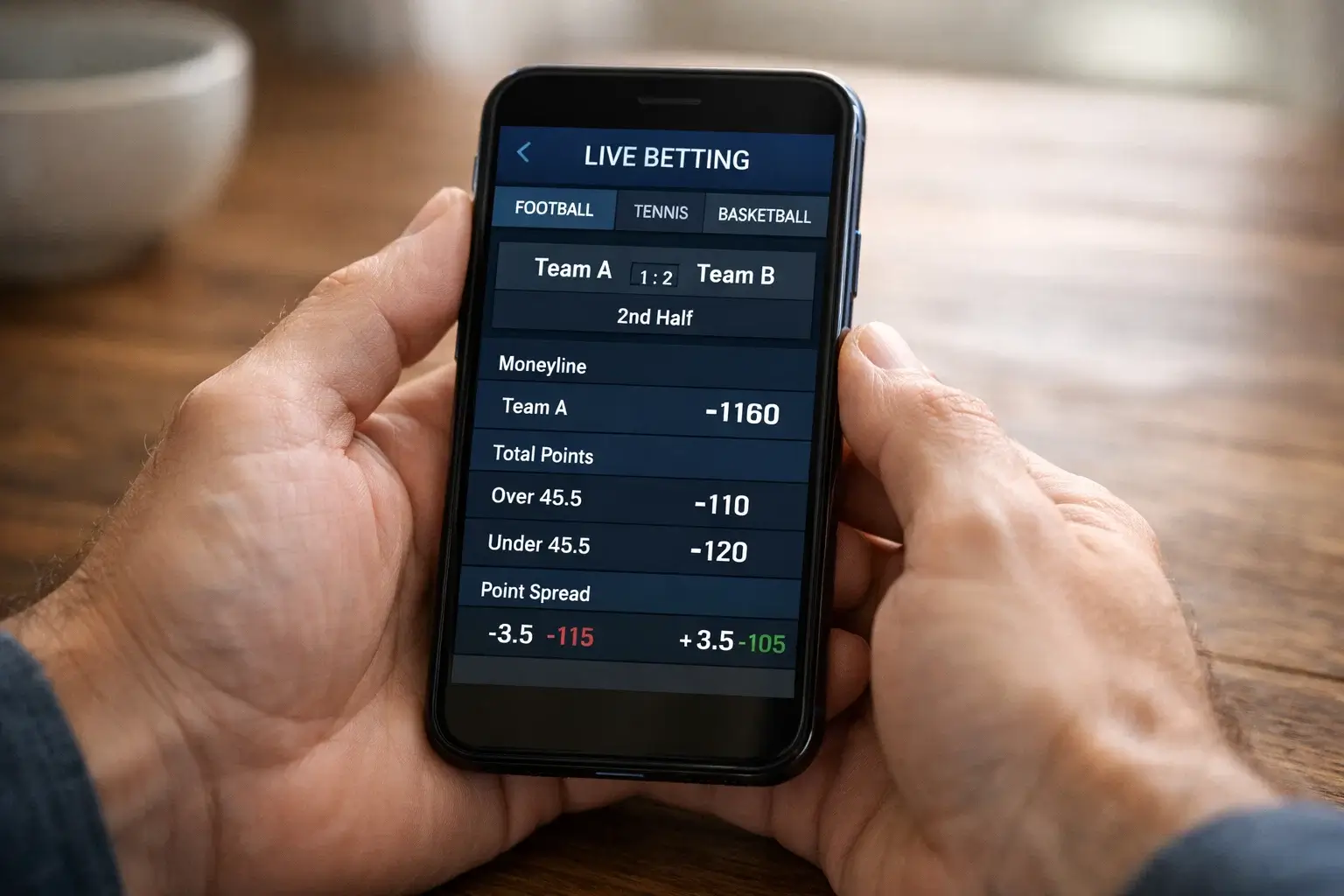
American odds are also called moneyline odds, though this can cause confusion since “moneyline” also refers to a specific bet type. The format uses positive and negative numbers to distinguish between favorites and underdogs, with the numbers always relating to a baseline of one hundred dollars.
Understanding Negative Numbers
When you see a negative number next to a team, that team is the favorite. The number tells you how much you need to bet to win one hundred dollars. For example, if the Kansas City Chiefs are listed at -150 against the Denver Broncos, you would need to wager one hundred fifty dollars to win one hundred dollars in profit. Your total return would be two hundred fifty dollars, which includes your original stake plus your winnings.
The larger the negative number, the bigger the favorite. A team at -300 is considered a much heavier favorite than a team at -130. In practical terms, you would need to risk three hundred dollars on the -300 favorite just to win one hundred dollars, whereas the -130 favorite only requires risking one hundred thirty dollars for the same one hundred dollar profit.
Here is where many beginners make their first mistake. They see a heavy favorite and think it is “easy money” because the team is so likely to win. But the math cuts both ways. To make meaningful profit on heavy favorites, you must risk substantial amounts. One upset can wipe out weeks of accumulated small wins. This is why professional bettors rarely load up on massive favorites unless they identify significant value in the line.
Understanding Positive Numbers
Positive numbers indicate the underdog, and they show how much profit you would make on a one hundred dollar bet. If the Broncos are listed at +130 against the Chiefs, a successful one hundred dollar wager returns one hundred thirty dollars in profit, plus your original stake, for a total of two hundred thirty dollars.
Larger positive numbers indicate bigger underdogs. A team at +500 is considered to have a much smaller chance of winning than a team at +120. But again, the reward scales with the risk. That +500 underdog pays five hundred dollars profit on a one hundred dollar bet, turning a small stake into a substantial return if the upset materializes.
The beauty of American odds is that they make it immediately clear who the favorite and underdog are. You never need to do math to determine which side the sportsbook thinks will win. Negative means favored, positive means underdog, and the magnitude tells you how strongly the book leans in one direction.
Calculating Exact Payouts
While the baseline of one hundred dollars is useful for quick mental calculations, most bettors do not wager in neat round numbers. Fortunately, the math scales linearly, and once you understand the principle, you can calculate payouts for any stake.
For negative odds, the formula is: stake multiplied by (100 divided by the absolute value of the odds). If you bet twenty-five dollars on a -150 favorite, your profit would be 25 times (100/150), which equals 16.67 dollars. Your total return would be 41.67 dollars.
For positive odds, the formula is: stake multiplied by (odds divided by 100). If you bet twenty-five dollars on a +130 underdog, your profit would be 25 times (130/100), which equals 32.50 dollars. Your total return would be 57.50 dollars.
Modern sportsbook apps display the exact payout on your bet slip before you confirm, which eliminates the need for manual calculation in practice. However, understanding the underlying math helps you quickly evaluate betting opportunities and compare lines across different books.
Decimal Odds: The Straightforward Approach
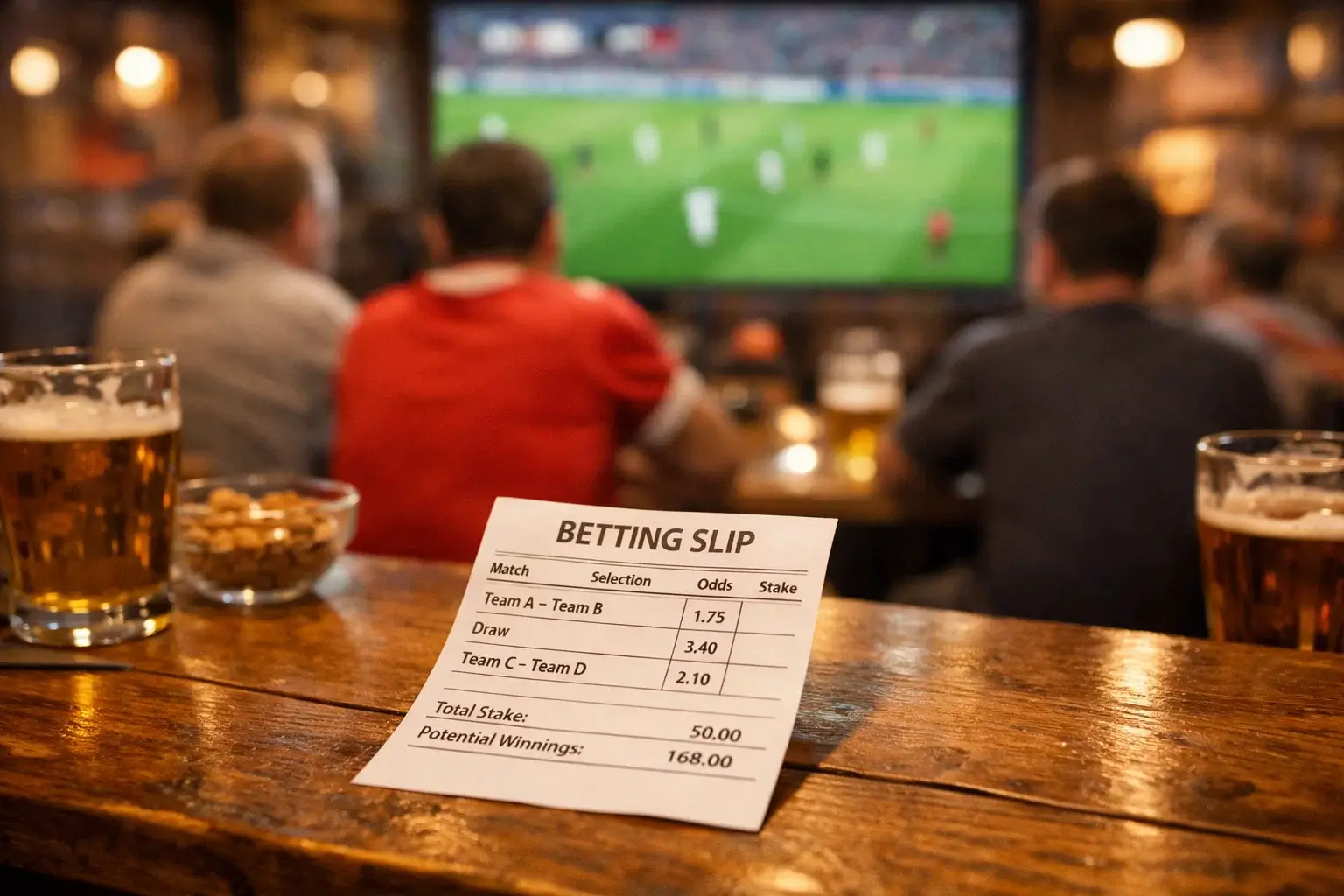
Decimal odds are arguably the most intuitive format, which explains their widespread adoption outside North America. The number simply tells you how much you will receive in total return for every one unit wagered, including your original stake.
Reading and Calculating With Decimal Odds
A decimal odd of 2.50 means that for every dollar you bet, you receive two dollars and fifty cents back if you win. This includes your one dollar stake, so your actual profit is one dollar and fifty cents. A decimal odd of 1.40 returns one dollar and forty cents total on a one dollar bet, meaning your profit is forty cents.
The calculation could not be simpler: multiply your stake by the decimal odds to get your total return, then subtract your stake to find your profit. If you bet fifty dollars at decimal odds of 2.25, your total return is fifty times 2.25, which equals one hundred twelve dollars and fifty cents. Your profit is sixty-two dollars and fifty cents.
One key feature of decimal odds is that lower numbers indicate stronger favorites. A team at 1.20 is a heavy favorite, requiring you to risk five dollars just to profit one dollar. A team at 5.00 is a significant underdog, offering four dollars profit for every dollar risked. This is the inverse of American odds, where smaller absolute values indicate less separation between teams.
Converting Between American and Decimal
Converting between formats is straightforward once you know the formulas. For positive American odds, the decimal equivalent is (American odds divided by 100) plus 1. So +150 in American odds becomes (150/100) + 1 = 2.50 in decimal.
For negative American odds, the decimal equivalent is (100 divided by the absolute value of the American odds) plus 1. So -150 becomes (100/150) + 1 = 1.67 in decimal.
To convert from decimal to American, reverse the process. If the decimal odd is 2.00 or higher, the American equivalent is (decimal minus 1) times 100, expressed as a positive number. Decimal 2.50 becomes (2.50 – 1) times 100 = +150.
If the decimal odd is below 2.00, the American equivalent is -100 divided by (decimal minus 1). Decimal 1.67 becomes -100 divided by 0.67, which equals approximately -149.
Once you master the math behind the numbers, you can start implementing proven football betting strategies to find positive expected value.
Fractional Odds: The Traditional Format
Fractional odds are the oldest format still in common use, primarily seen in British and Irish betting markets. They express the ratio of profit to stake as a fraction.
Interpreting Fractions
Odds of 5/2 (read as “five to two”) mean you profit five units for every two units staked. A ten dollar bet at 5/2 returns twenty-five dollars in profit, plus your original ten dollar stake, for a total of thirty-five dollars. The first number represents potential profit, the second represents the stake required to earn that profit.
Odds displayed as 1/4 (called “four to one on” or “one to four”) indicate a heavy favorite. You stake four units to profit one unit. Conversely, 4/1 (“four to one against”) is a significant underdog, where you profit four units for every one unit staked.
When the numbers are equal, such as 1/1 (called “evens”), you profit exactly as much as you stake. A ten dollar bet at evens returns ten dollars profit plus your stake, for a total of twenty dollars.
Practical Considerations With Fractions
Fractional odds can become cumbersome when dealing with non-standard fractions like 11/8 or 6/4. Many British sportsbooks now offer the option to display decimal odds instead, recognizing that fractions add unnecessary complexity for most calculations.
To convert fractional odds to decimal, simply divide the first number by the second and add one. Odds of 5/2 become (5/2) + 1 = 3.50 in decimal format. Odds of 1/4 become (1/4) + 1 = 1.25 in decimal.
For modern bettors primarily using American or decimal odds, fractional odds are most relevant when accessing UK betting markets or consuming British sports media. Understanding the format ensures you are never caught off guard by an odds display, but in practice, most platforms let you toggle to your preferred format with a single click.
Implied Probability: The Hidden Information in Every Line
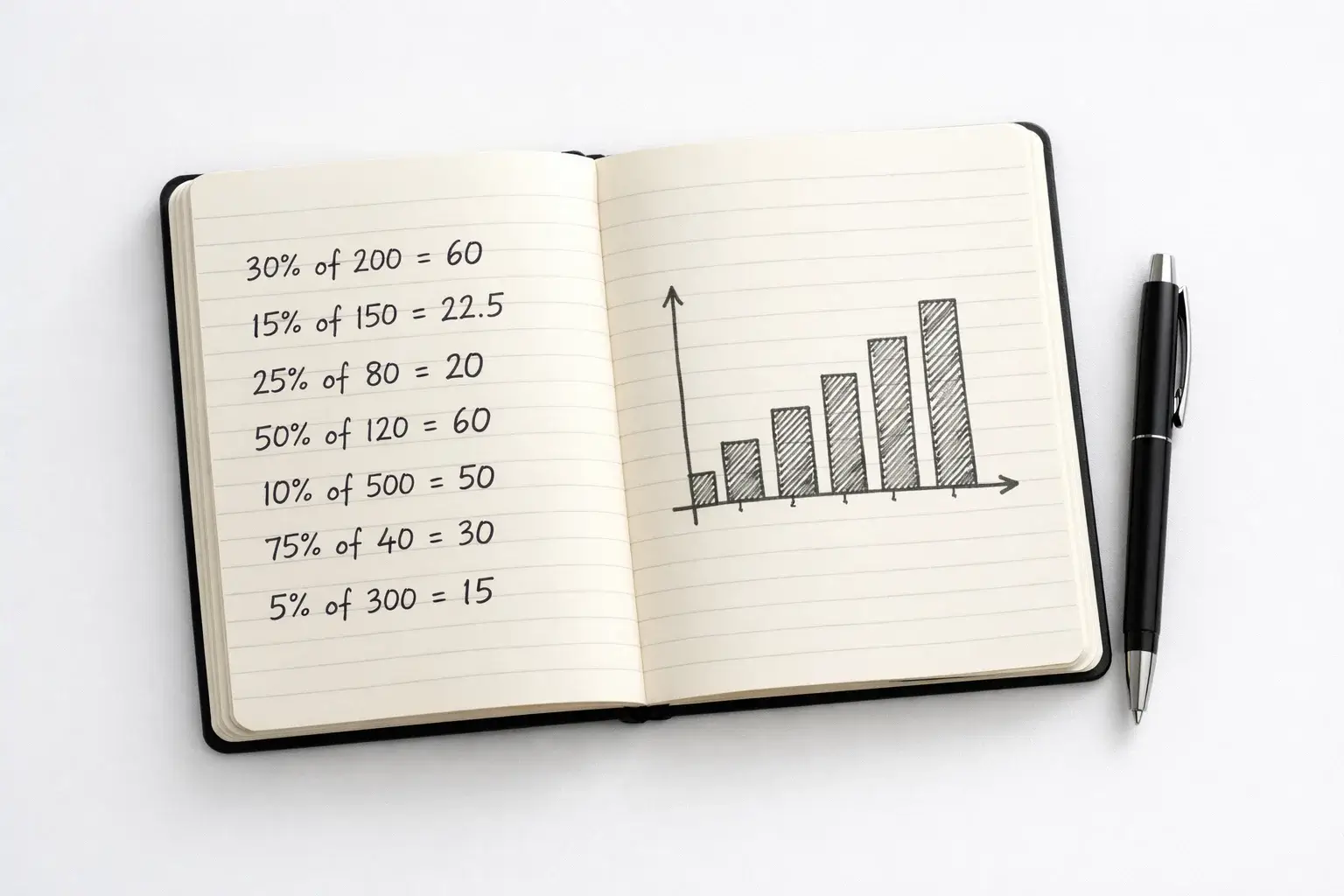
Implied probability is where odds reading transitions from basic literacy to genuine analytical skill. Every set of odds can be converted into a probability percentage, revealing what the sportsbook thinks about the likelihood of an outcome.
Calculating Implied Probability
For negative American odds, the formula is: absolute value of odds divided by (absolute value of odds plus 100), then multiply by 100 to express as a percentage. For -150 odds: 150 divided by (150 + 100) = 150/250 = 0.60, or 60 percent implied probability.
For positive American odds, the formula is: 100 divided by (odds plus 100), then multiply by 100. For +200 odds: 100 divided by (200 + 100) = 100/300 = 0.333, or 33.3 percent implied probability.
For decimal odds, the formula is simply: 1 divided by the decimal odds, then multiply by 100. For decimal 2.50: 1/2.50 = 0.40, or 40 percent implied probability.
For fractional odds, convert to decimal first, then apply the decimal formula. Alternatively, use: second number divided by (first number plus second number), then multiply by 100. For 3/1 odds: 1 divided by (3 + 1) = 0.25, or 25 percent implied probability.
The Vigorish Revealed
Here is where things get interesting. If you calculate the implied probability for both sides of a two-way market, the percentages will add up to more than 100 percent. This excess is the vigorish, the sportsbook’s built-in profit margin.
Consider a typical NFL spread bet where both sides are priced at -110. The implied probability for each side is 110/(110+100) = 52.38 percent. Adding both sides gives us 104.76 percent. That extra 4.76 percent represents the vig. The sportsbook takes a small edge on every bet, ensuring they profit over time regardless of which side wins.
Understanding vig helps you recognize when you are getting better or worse odds. A book offering -105 on spreads has a lower vig than one offering -115, meaning more of your money goes toward potential winnings rather than the house edge. Over thousands of bets, these differences compound significantly.
Finding Value Through Probability Assessment
This is where sharp bettors separate themselves from the recreational crowd. If you can independently assess the true probability of an outcome, you can compare your estimate against the implied probability in the odds to identify value.
Suppose you analyze an upcoming NFL game and conclude the Bills have a 55 percent chance of covering the spread. The sportsbook has them priced at -110, which implies 52.38 percent probability. Your assessment exceeds the implied probability, suggesting the Bills represent positive expected value at these odds. This is a bet worth considering.
Conversely, if the book prices a team as a -200 favorite (66.7 percent implied probability) but your analysis suggests they only win 60 percent of the time, the line offers negative expected value. Sharp bettors either pass or consider the other side.
Building this skill requires practice, research, and honest self-assessment. But even recreational bettors benefit from understanding the concept. At minimum, it prevents you from blindly betting heavy favorites without recognizing just how often they need to win to justify the juice.
How and Why Odds Move

Betting odds are not static. From the moment lines open until game time, they can shift significantly based on various factors. Understanding line movement helps you determine optimal timing for your bets and interpret what the market is telling you.
Factors Driving Line Movement
The most straightforward cause of line movement is money. When a disproportionate amount is wagered on one side, sportsbooks adjust the line to encourage action on the other side and balance their risk exposure. If the public overwhelmingly backs the Cowboys at -3, the book might move the line to Cowboys -3.5 or even -4 to entice bets on the underdog.
However, not all money is equal. Sportsbooks pay close attention to sharp bettors, professional gamblers with proven track records of success. When sharp money hits one side, books often move lines quickly, even if the total amount wagered is relatively small. This is why you sometimes see sudden line movements without obvious public momentum. The book respects the sharp action and adjusts accordingly.
Injury news is another major catalyst. When a star quarterback is ruled out, you might see the line swing three or more points within minutes. Weather forecasts can move totals, particularly for outdoor games where wind or precipitation is expected. Coaching changes, suspension announcements, and even significant travel delays can trigger adjustments.
Opening Lines Versus Closing Lines
Opening lines represent the sportsbook’s initial assessment before the market weighs in. Closing lines, posted just before game time, incorporate all the information and money that flowed in during the betting window. Research suggests closing lines are generally more accurate predictors of outcomes than opening lines, making them a useful benchmark for evaluating your own handicapping.
Some bettors specialize in “beating the closer,” aiming to consistently get better numbers than the closing line. If you bet the Packers at -3 and the line closes at -4.5, you have captured 1.5 points of value regardless of whether the bet wins. Over time, consistently getting better numbers than the close correlates strongly with long-term profitability.
Other bettors prefer waiting until just before kickoff, reasoning that the closing line reflects the most complete information available. Both approaches have merit, and the optimal strategy often depends on the specific game and your confidence in your analysis.
Reading Line Movement for Information
Line movement can provide valuable intelligence even if you do not bet the game. Sharp bettors call this “respect the move.” When a line shifts against heavy public action, it often indicates sharp money on the other side. If 80 percent of bets are on the Cowboys but the line moves in favor of the Eagles, the books are telling you that the smarter money disagrees with the public.
Tracking opening lines and comparing them to current lines helps you spot these patterns. Several websites and apps provide real-time line movement tracking and betting percentage breakdowns, allowing you to see exactly how the market is developing. This information is particularly valuable for identifying contrarian opportunities where the public has pushed a line to an inefficient position.
Comparing Odds Across Sportsbooks
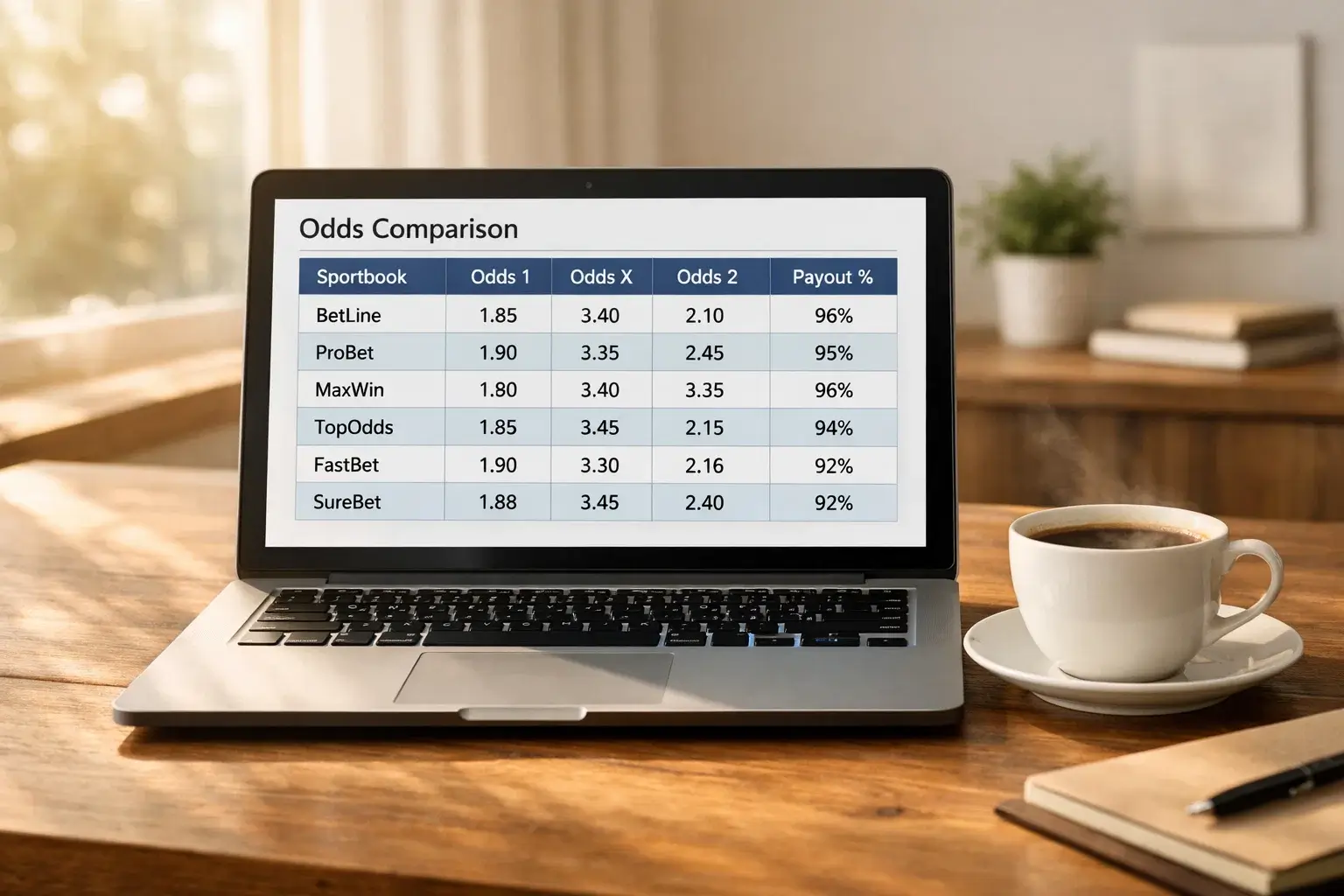
One of the most reliable ways to improve your betting results requires zero handicapping skill: line shopping. Different sportsbooks often post slightly different odds on the same game, and consistently finding the best number adds meaningful value over time.
Why Lines Differ Between Books
Sportsbooks operate independently and use different data, algorithms, and risk management approaches. A book with heavy liability on one side will adjust their line more aggressively than a competitor with balanced action. Regional books may shade lines toward local teams, knowing their customer base will bet them regardless. Offshore books might have different information flows than domestic operators.
The result is a market where the same team might be -3 at one book and -2.5 at another. A bettor who always takes -3 when -2.5 is available is literally giving away half a point on every bet. Over a season of wagers, those half-points add up to meaningful money.
Maximizing Value Through Multiple Accounts
Serious bettors maintain accounts at multiple sportsbooks specifically to ensure they always get the best available number. Before placing any bet, they check the odds across all their accounts and wager wherever the line is most favorable. This practice is completely legal in regulated markets and represents one of the few genuine edges available to recreational bettors.
The effort required is minimal with modern technology. Odds comparison websites aggregate lines from major sportsbooks in real-time, showing you instantly where to find the best price. Mobile apps make it easy to switch between books and place your bet at the optimal location within seconds.
The caveat is that maintaining multiple funded accounts requires more capital and more attention to detail. You need to track your positions across books and manage your bankroll as a unified whole rather than treating each account separately. For most recreational bettors, three to five accounts at major sportsbooks provides sufficient coverage without becoming unmanageable.
Real Examples of Line Shopping Value
Consider a bettor who wagers on ten NFL games per week during the season. Without line shopping, they might take whatever odds their primary book offers. With line shopping, they consistently find half-point or full-point improvements on three or four games per week.
In football, half a point is most valuable around key numbers like three and seven, where it can directly affect push and loss scenarios. Getting the Chargers at +3.5 instead of +3 means a three-point loss becomes a push instead of a loss. Over seventeen weeks plus playoffs, these improvements translate to multiple extra wins that would otherwise have been losses or pushes.
The math is straightforward. If line shopping turns two losses into pushes and one push into a win across an NFL season, and you average fifty dollars per bet, you have added roughly one hundred fifty dollars to your bottom line with essentially zero additional work. Multiply that across years of betting, and the value becomes substantial.
Frequently Asked Questions
What does -110 mean on both sides of a spread bet?
When both sides of a spread are listed at -110, it means the sportsbook views the point spread as the most accurate representation of the expected margin. You need to risk one hundred ten dollars to win one hundred dollars on either side. The extra ten dollars on each side (totaling twenty dollars risked to win one hundred) represents the vigorish, ensuring the sportsbook profits regardless of the outcome.
Which odds format should I use?
Use whichever format you find most intuitive for quick calculations. Most American bettors prefer American odds since they are the default at domestic sportsbooks. If you frequently bet on European markets or find decimal odds easier to work with, most platforms allow you to change the display setting. The underlying probabilities and payouts are identical regardless of format.
How do I know if odds represent good value?
Good value exists when the implied probability in the odds is lower than the actual probability of the outcome occurring. This requires you to have your own assessment of the true probability, which comes from research, statistical analysis, or expert insight. If you believe a team has a 50 percent chance of covering but the odds imply only 45 percent probability, you have identified potential value.
Why do odds change so much before games?
Odds move in response to betting action, news, and information. Sportsbooks adjust lines to balance their risk exposure and incorporate new developments like injuries or weather forecasts. Sharp bettors moving large amounts can cause rapid adjustments, while gradual public betting creates slower drift. Tracking line movement provides insight into where informed money is landing.
Can I make money just from line shopping?
Line shopping alone does not guarantee profit because you still need to identify winning bets. However, consistently finding the best odds improves your long-term results by ensuring you receive maximum payout on your wins and minimize losses on your losing bets. It is one of the few strategies that offers guaranteed improvement to any bettor’s bottom line without requiring additional handicapping skill.
Find everything you need to beat the sportsbooks at Football Bet.
